What is Embroidery Digitizing?
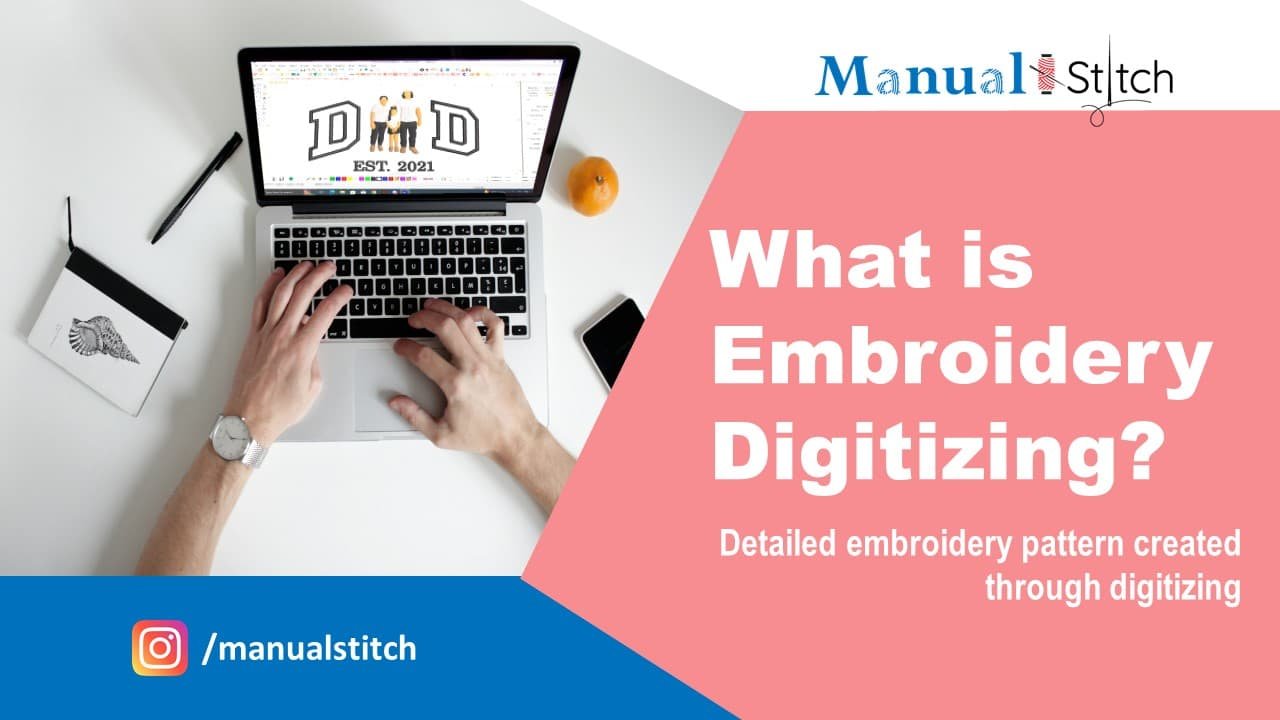
Embroidery digitizing is a revolutionary process that merges the traditional art of embroidery with advanced computer technology. It involves converting artwork or designs into a digital file that embroidery machines can read and execute. This transformation allows for precise and consistent stitching, making it possible to reproduce intricate patterns and logos with a high degree of accuracy.
The Fundamentals of Embroidery Digitizing
Embroidery digitizing is not just about converting images into stitches; it requires a deep understanding of both art and technology. The process begins with the creation or selection of a design. This design is then imported into digitizing software, where it is meticulously converted into a series of commands that the embroidery machine can follow.
Step-by-Step Process of Embroidery Digitizing
- Design Creation or Selection: The process begins with an idea or artwork, which can be anything from a corporate logo to a custom graphic. This design is either created from scratch or selected from a library of pre-existing designs.
- Importing the Design: The chosen design is imported into specialized digitizing software. This software is capable of interpreting the design and preparing it for the digitizing process.
- Pathing and Stitch Type Selection: The digitizer must determine the path the embroidery machine will take and select the types of stitches to be used. Common stitch types include satin stitches, fill stitches, and running stitches.
- Stitch Direction and Density: The direction and density of the stitches are crucial for the final appearance and durability of the embroidery. The digitizer must set these parameters to ensure the design is both aesthetically pleasing and structurally sound.
- Simulation and Testing: Before the design is sent to the embroidery machine, it is simulated within the software. This step allows for the identification and correction of any potential issues. Some digitizing software even provides a 3D preview of the final product.
- Machine Setup and Execution: Once the design is finalized, it is transferred to the embroidery machine. The machine is set up with the appropriate thread colors and fabric, and the digitized file is loaded. The machine then stitches the design onto the fabric.
Key Elements in Embroidery Digitizing
Several key elements must be considered during the embroidery digitizing process to ensure a successful outcome.
Stitch Types
- Satin Stitches: Used for creating smooth and shiny surfaces, ideal for borders and lettering.
- Fill Stitches: Employed for covering larger areas with a series of interlocking stitches.
- Running Stitches: Utilized for outlining and fine details.
Underlay Stitches
Underlay stitches are the foundation of any embroidery design. These stitches are laid down first and provide stability and support for the top stitches. Proper underlay stitching can prevent fabric puckering and ensure the design remains in place during wear and washing.
Pull Compensation
Pull compensation adjusts for the natural pull of fabric when stitches are applied. Without proper compensation, the design may become distorted. This adjustment ensures that the final embroidered design matches the intended dimensions.
Our Services
At Manual Stitch, we offer a diverse range of specialized services designed to meet your unique embroidery and digital artwork needs. Our commitment to quality and precision ensures that each service we provide is executed to the highest standard. Explore our offerings below:
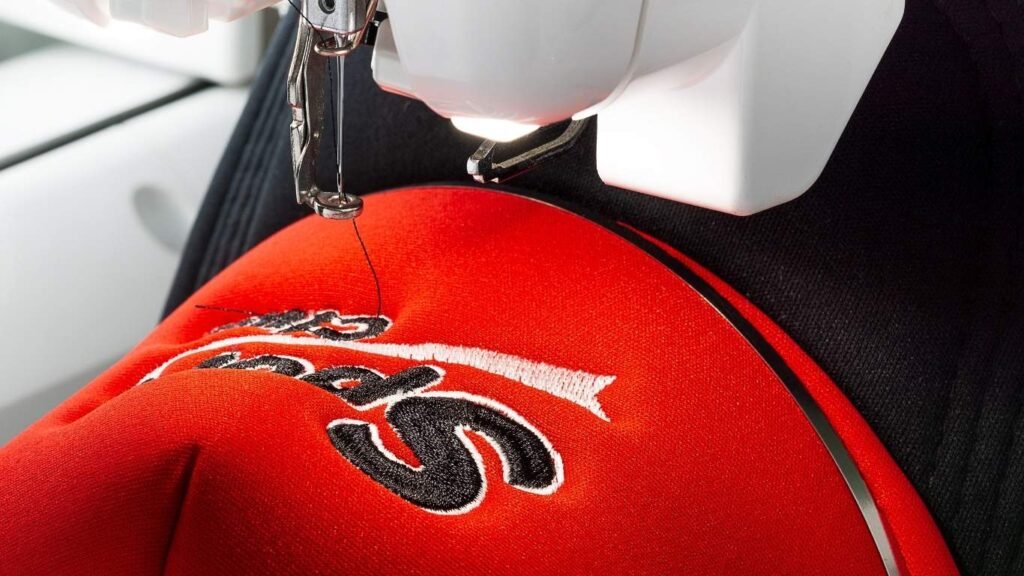
Embroidery Digitizing
Embroidery digitizing is the cornerstone of our services. We convert your artwork or logos into precise digital files that embroidery machines can read and replicate. Our skilled digitizers ensure that every stitch is perfectly placed, resulting in high-quality, consistent embroidery on any fabric. Whether it’s for personal projects, corporate branding, or promotional items, our digitizing service delivers excellence every time.
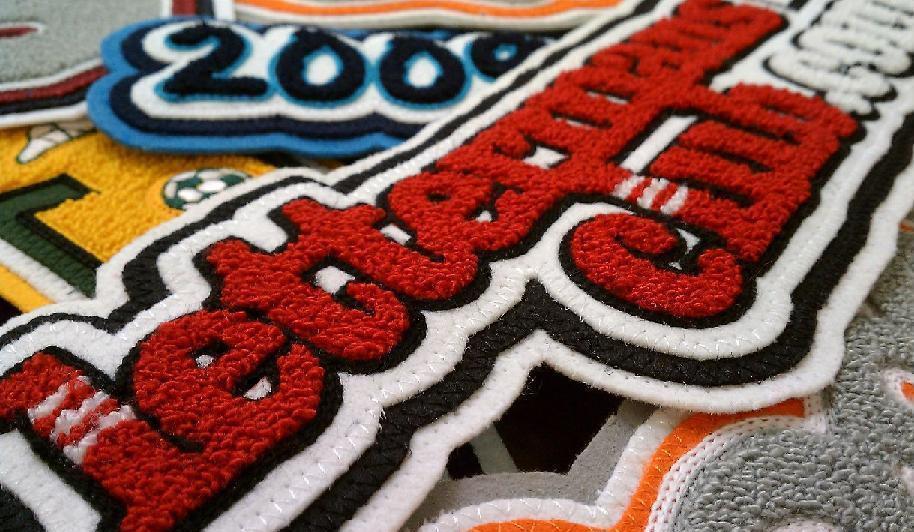
Chenille Patches
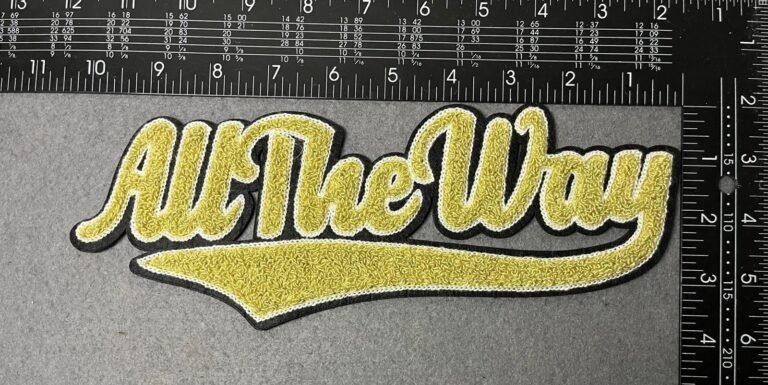
Chenille patches are a popular choice for adding a touch of texture and luxury to garments. Ideal for varsity jackets, uniforms, and fashion items, our chenille patches are crafted with meticulous attention to detail. We use top-quality materials and a variety of colors to create patches that are not only visually appealing but also durable and long-lasting. Customize your patches with letters, numbers, or intricate designs to make a statement.
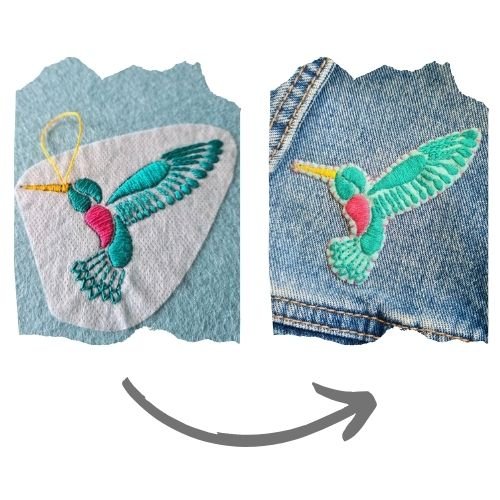
Embroidery Patches
Our embroidery patches are perfect for adding a personal or professional touch to any item. We create custom patches that can be sewn or ironed onto clothing, accessories, and more. From military and law enforcement insignia to club logos and promotional items, our embroidery patches are designed to withstand wear and maintain their vibrant appearance. We offer a wide range of sizes, shapes, and colors to suit your specific needs.
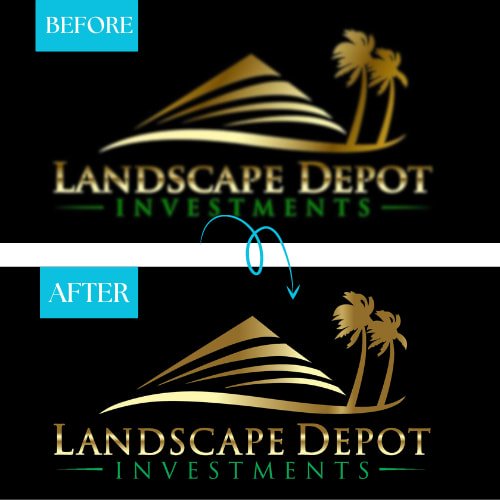
Image to Vector Art
Transform your images into scalable vector art with our expert conversion service. Vector art is essential for high-quality printing, embroidery, and digital use, as it retains clarity and detail at any size. Our team of graphic artists meticulously converts your images, ensuring clean lines and accurate colors. This service is ideal for logos, illustrations, and any artwork that requires crisp, professional results.
By choosing Manual Stitch, you are selecting a partner dedicated to quality, precision, and customer satisfaction. Our range of services is designed to cater to various needs, from detailed embroidery work to digital art conversions. Contact us today to learn more about how we can bring your designs to life.
Benefits of Embroidery Digitizing
Embroidery digitizing offers a multitude of benefits, making it a preferred choice for businesses and individuals alike.
Precision and Consistency
The digitizing process allows for high precision and consistency, ensuring that each piece of embroidery is identical. This is particularly important for branding purposes, where uniformity is crucial.
Efficiency
Digitized designs can be reproduced quickly and accurately, saving time and reducing labor costs. Once a design is digitized, it can be used repeatedly without additional setup time.
Versatility
Embroidery digitizing can be applied to a wide range of materials and products, from clothing and accessories to home décor and promotional items. The versatility of digitized embroidery makes it suitable for various applications and industries.
Customization
Digitizing enables extensive customization options, allowing for the creation of unique and personalized designs. This is ideal for custom apparel, corporate gifts, and personalized items.
Choosing the Right Embroidery Digitizing Software
Selecting the right digitizing software is crucial for achieving high-quality results. Here are some factors to consider:
User Interface and Usability
The software should have an intuitive user interface that is easy to navigate. This allows users of all skill levels to create and edit designs efficiently.
Features and Tools
Look for software that offers a wide range of features and tools, including automatic digitizing, advanced editing options, and design libraries. These features can significantly enhance the digitizing process.
Support and Training
Good software should come with comprehensive support and training resources, including tutorials, user manuals, and customer support. This ensures users can fully utilize the software’s capabilities.
Compatibility
Ensure the software is compatible with your embroidery machine and other hardware. Compatibility issues can lead to delays and additional costs.
The Future of Embroidery Digitizing
The field of embroidery digitizing is continuously evolving, driven by advancements in technology and changes in consumer preferences. Here are some trends shaping the future of this industry:
Artificial Intelligence and Automation
AI and automation are making significant inroads into embroidery digitizing. AI-powered software can automatically convert designs into digital files with minimal human intervention, increasing efficiency and accuracy.
Cloud-Based Solutions
Cloud-based digitizing solutions allow for remote access and collaboration, enabling designers to work from anywhere. This flexibility is particularly beneficial in today’s increasingly remote work environment.
Sustainable Practices
There is a growing emphasis on sustainability in the embroidery industry. Digitizing software is being developed to minimize waste by optimizing thread usage and reducing the need for trial and error.
Conclusion
Embroidery digitizing is a transformative process that combines traditional craftsmanship with modern technology. It offers unparalleled precision, efficiency, and versatility, making it an invaluable tool for businesses and individuals. As technology continues to advance, the future of embroidery digitizing promises even greater innovations and possibilities.