Difference Between Traditional Embroidery and Embroidery Digitizing
Embroidery and embroidery digitizing are integral parts of the textile industry, each offering unique advantages and techniques. While embroidery is a traditional art form involving needlework to create intricate designs on fabric, embroidery digitizing brings a modern twist by converting digital designs into embroidery patterns. Understanding the disparities between these two processes is crucial for anyone venturing into textile design and production.
Table of Contents
Exploring Traditional Embroidery

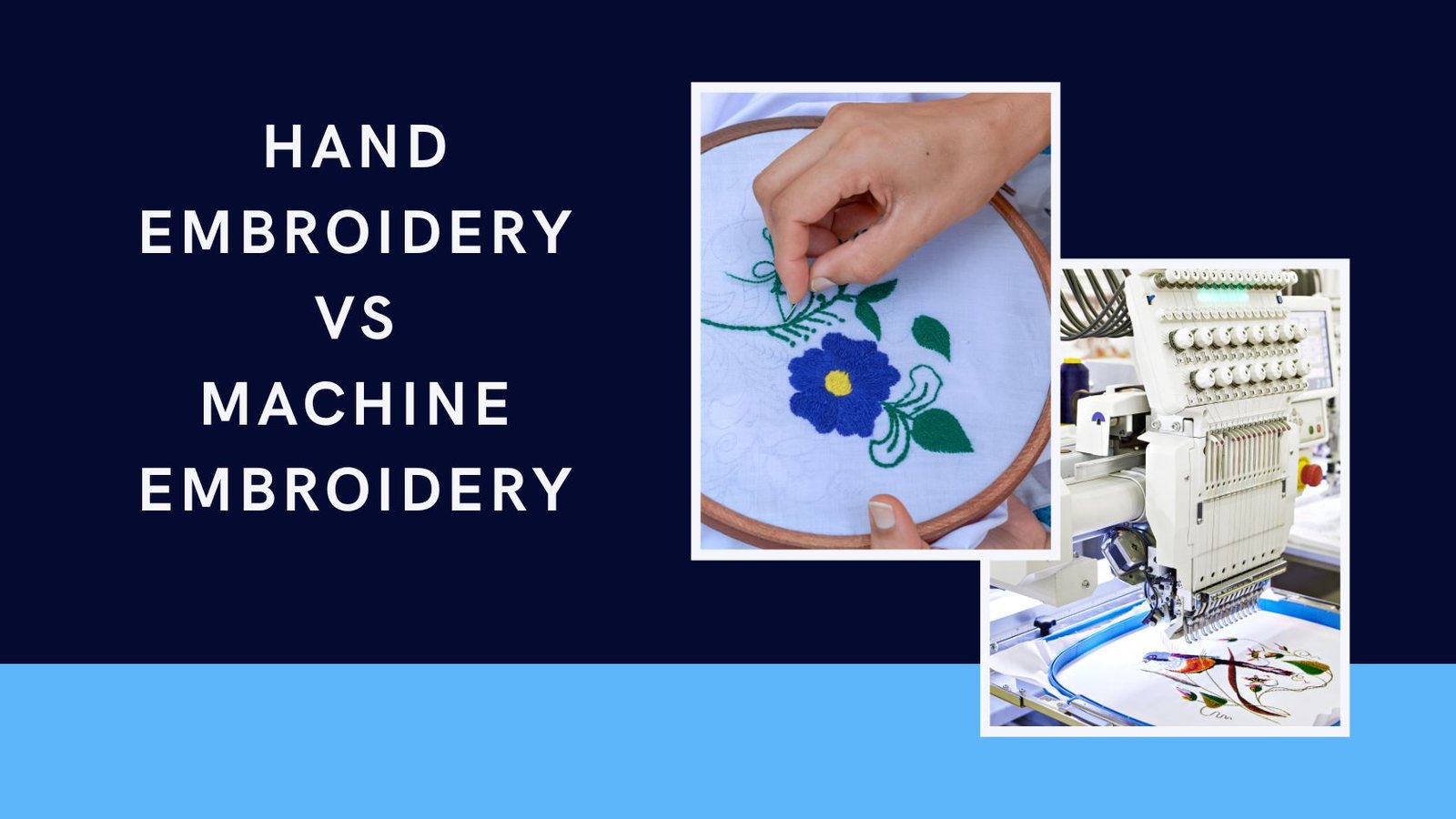
Embroidery, a timeless craft, entails the use of needle and thread to adorn fabric with decorative designs. Dating back centuries, this technique has evolved from simple hand-stitched patterns to intricate masterpieces showcasing skilled craftsmanship. Traditional embroidery relies on the expertise of artisans who meticulously translate designs onto fabric, stitch by stitch, resulting in one-of-a-kind creations.
Embroidery encompasses a wide array of stitches, ranging from basic to complex, allowing artisans to unleash their creativity and bring designs to life with texture and dimension. From delicate floral motifs to elaborate tapestries, traditional embroidery adds a touch of elegance and sophistication to garments, accessories, and home decor.
The Innovation of Embroidery Digitizing
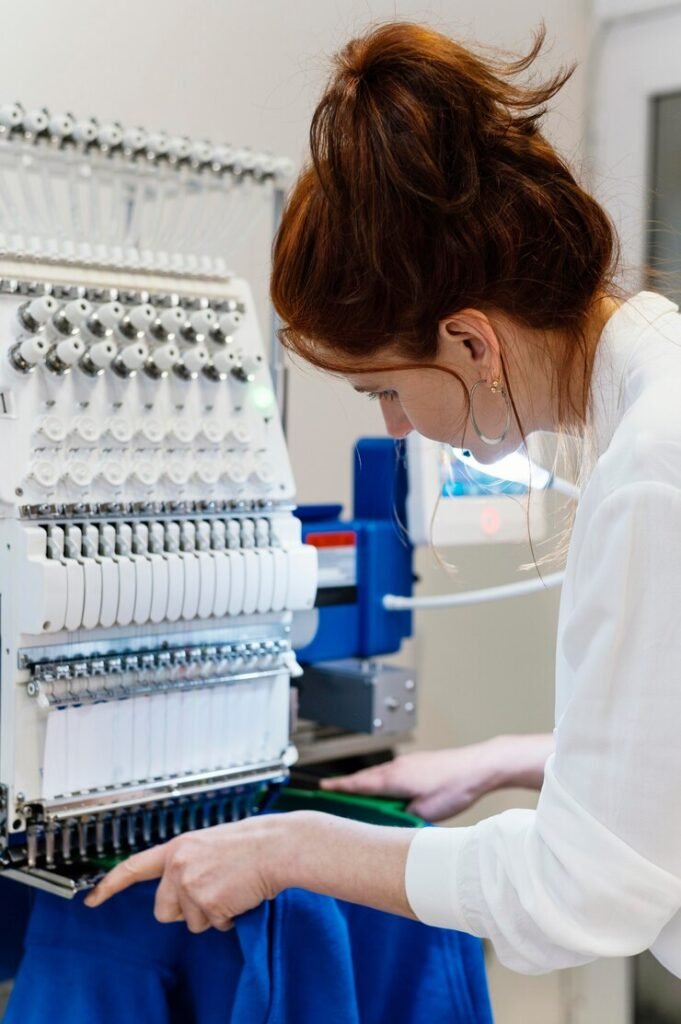
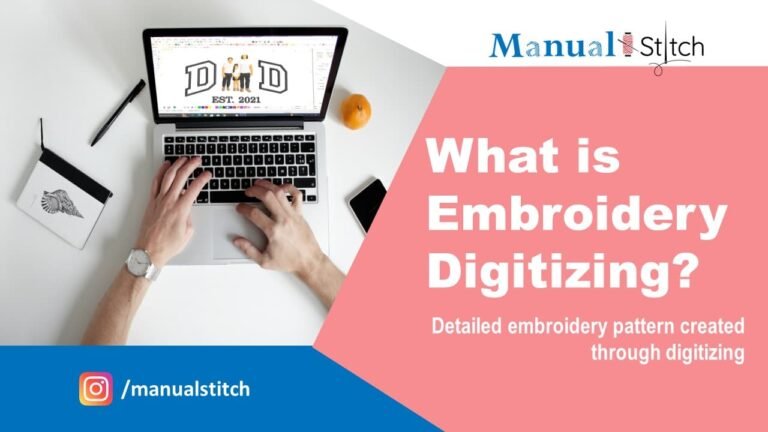
In contrast, embroidery digitizing revolutionizes the embroidery process by harnessing the power of technology. This modern method involves the conversion of digital artwork into embroidery files that can be read by computerized embroidery machines. By digitizing designs, manufacturers can replicate intricate patterns with precision and efficiency, minimizing human error and increasing production speed.
Embroidery digitizing offers numerous advantages, including scalability, consistency, and the ability to reproduce complex designs with accuracy. It streamlines the production process, making it ideal for mass production while maintaining the quality and integrity of the original artwork. Additionally, digitized embroidery allows for customization, enabling businesses to cater to individual preferences and market demands.
Difference Between Embroidery and Embroidery Digitizing
Skill and Craftsmanship
Traditional embroidery relies heavily on the skill and expertise of artisans who master various stitching techniques over years of practice. Each embroidered piece is a testament to the artisan’s craftsmanship and attention to detail. On the other hand, embroidery digitizing requires proficiency in graphic design software and an understanding of embroidery machines’ capabilities. While digitizing eliminates the need for manual stitching, it demands technical expertise to optimize designs for machine embroidery.
Design Complexity
In traditional embroidery, the complexity of designs is limited only by the artisan’s skill and imagination. Intricate patterns with fine details can be achieved through meticulous handiwork, resulting in visually stunning creations. Conversely, embroidery digitizing allows for the replication of highly complex designs with precision and consistency. Digital artwork can be manipulated to achieve intricate patterns that would be challenging to replicate by hand.
Production Efficiency
Traditional embroidery is a time-intensive process, with each design requiring hours of meticulous stitching by skilled artisans. The production pace is limited by the artisan’s speed and dexterity, making it impractical for large-scale manufacturing. In contrast, embroidery digitizing streamlines the production process, significantly reducing turnaround time and increasing output. Designs can be digitized once and reproduced indefinitely, allowing for efficient mass production.
Customization Options
While traditional embroidery offers a personal touch with handmade designs, customization options may be limited due to the time and labor involved. Each embroidered piece is unique, but customization beyond basic alterations may be impractical for large-scale production. On the other hand, embroidery digitizing offers extensive customization capabilities, allowing businesses to tailor designs to specific requirements quickly and cost-effectively. From personalized monograms to intricate logos, digital embroidery can accommodate diverse customization requests with ease.
Frequently Asked Questions (FAQs)
Can traditional embroidery designs be digitized for machine embroidery?
Yes, traditional embroidery designs can be digitized using specialized software to create embroidery files compatible with machines.
Is embroidery digitizing suitable for small-scale projects?
Yes, embroidery digitizing is versatile and can accommodate both small-scale and large-scale projects, offering flexibility and efficiency.
What file formats are commonly used in embroidery digitizing?
The most common file formats for embroidery digitizing include .dst, .emb, .pes, and .exp, among others.
Does embroidery digitizing require specialized equipment?
Yes, embroidery digitizing requires access to embroidery machines capable of reading digitized embroidery files, as well as graphic design software for creating and editing designs.
Can intricate designs be replicated accurately through embroidery digitizing?
Yes, embroidery digitizing allows for the replication of intricate designs with precision, ensuring consistency and quality in the finished products.
Are there limitations to the types of fabric suitable for embroidery digitizing?
Embroidery digitizing can be applied to various types of fabric, including cotton, polyester, denim, and even leather, offering versatility in design applications.
Conclusion
The difference between embroidery and embroidery digitizing lies in the methods, techniques, and tools used to create stunning embroidered designs. Traditional embroidery celebrates the artistry of skilled artisans, while embroidery digitizing embraces technology to streamline production and enhance customization. Whether preserving age-old craftsmanship or embracing modern innovation, both techniques contribute to the rich tapestry of textile design and creativity.